Oven Cleaning in Chiswick
Oven cleaning in Chiswick is a focused domestic cleaning service for households that want cooking appliances brought back to a more usable, hygienic condition without the mess of doing it themselves. Our work centres on the parts that collect the most baked-on residue: oven cavities, racks, trays, doors, seals, panels and removable accessories where relevant. The aim is straightforward: a thorough clean that supports better appearance, easier upkeep and a fresher kitchen environment.
We handle routine maintenance cleans and more demanding build-up, including grease, carbon and splatter that can linger around the door glass or inside the cavity. Different ovens need different methods, so the approach is adapted to the appliance rather than rushed through with a single product. If you are comparing options, the simplest next step is to request a quotation and explain the type of oven you have.
Our service is suitable for many common domestic appliances, including standard single ovens, double ovens and range-style setups where access and condition allow. Cleaning a cooking appliance well means treating the visible surfaces and the hidden deposits with equal care. That attention to detail is what helps the finished result look balanced, not patchy or overdone.
What our oven cleaning service covers
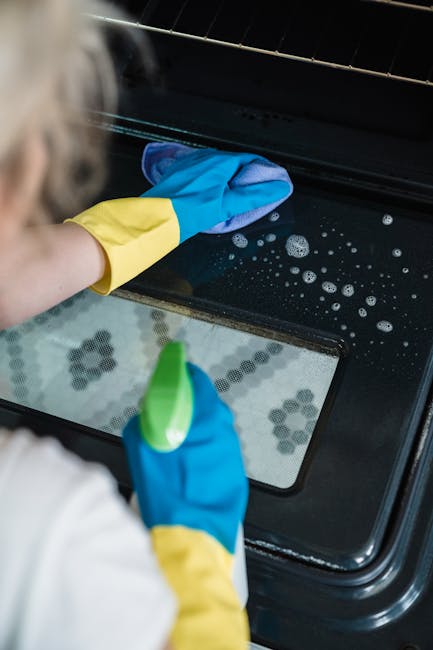
The main cleaning process is built around removing built-up residue from the interior surfaces and the fittings that can usually be taken out safely. That often includes soaking and cleaning racks, trays and shelves, then working through the cavity with suitable products and tools. Door glass and seals are also important, because they affect the overall appearance and are often the first places people notice marks.
Many customers want help with appliances that still work well but no longer look or smell fresh after regular use. In those cases, the service is less about replacement or repairs and more about returning the oven to a cleaner, more practical condition. Where parts are fixed or delicate, the method is adjusted so that cleaning remains careful rather than aggressive. If you are planning ahead, ask for a quote based on the appliance type and condition.
We do not treat every job as identical. A lightly used oven may need a detailed maintenance clean, while a heavily used one may require a more involved process with extra attention around fan covers, hinges and corners. The value of the service lies in matching the level of work to the state of the appliance, rather than overpromising a dramatic transformation for every oven.
Types of ovens and accessories we clean

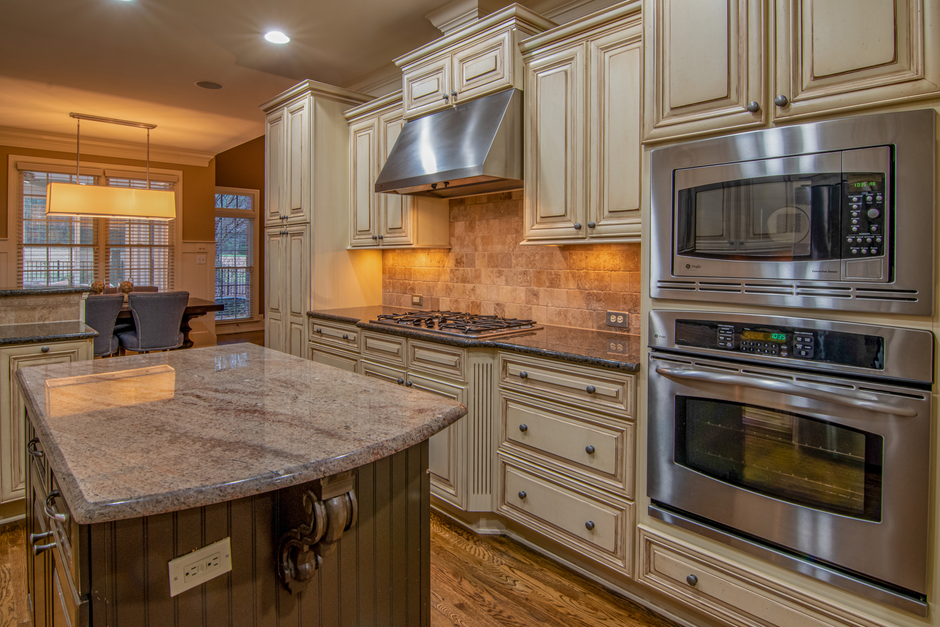
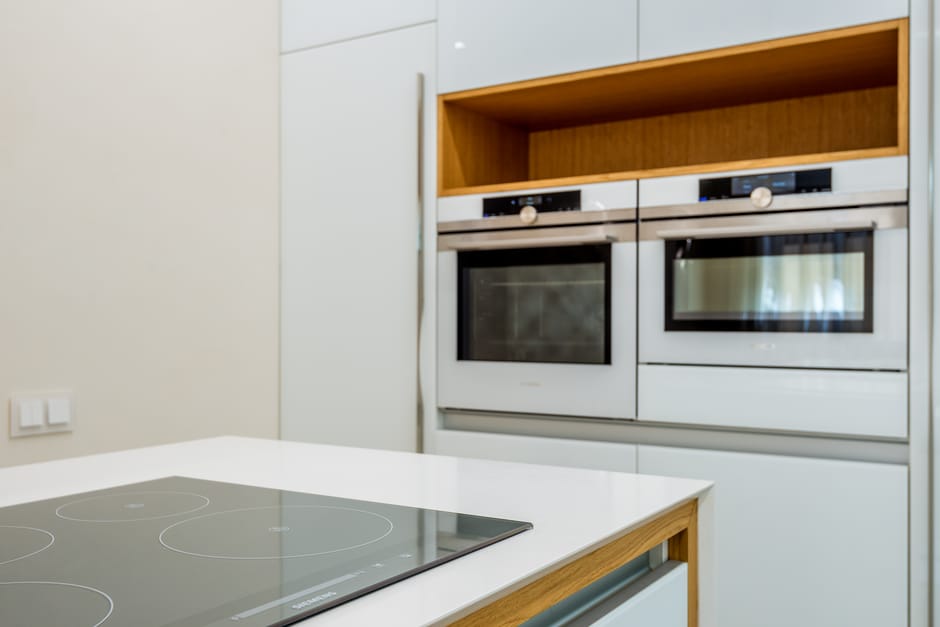
Different kitchen layouts use different appliances, and the cleaning method has to reflect that. A compact single oven has a smaller cavity and fewer removable components, while a double oven needs the work divided between the main cooking section and the secondary compartment. Range cookers can involve more surface area, more doors and more fittings, so planning the clean properly matters.
Where accessories are removable and appropriate to clean, we work on items such as shelves, trays, racks and other internal fittings. These components often hold onto grease for longer than the main cavity because they sit directly under roasting fats and spilled food. Cleaning them separately helps the finish look more even, and it also makes the appliance easier to wipe down after future use.
Some ovens have features or finishes that need a more measured approach. Tinted glass, stainless steel panels, catalytic surfaces and enamel interiors can all respond differently to cleaning products and tools. A careful service takes those differences into account, rather than forcing one method onto every appliance. Matching the process to the oven is often what keeps the result neat and consistent.
How the cleaning process is carried out
Our process begins by assessing the appliance so the work can be carried out in a sensible sequence. Removable parts are separated where appropriate, and the internal surfaces are then cleaned with products chosen for the job. This helps loosen greasy deposits without leaving the work half finished or scattering residue around the kitchen. The aim is a controlled clean, not simply a quick wipe-over.
For many ovens, the main challenge is the combination of heat, food residue and time. Spills can harden into layers, especially near the base, around the fan area or beside the door. A structured clean addresses those problem areas one by one. If you are unsure what level of work your appliance needs, it is perfectly reasonable to mention the model and visible build-up when you make contact.
We also pay attention to the finish once the heavy cleaning is done. Residual solution is removed, loose debris is cleared away and the appliance is left ready for the kitchen to be used again. The final stage matters because the best results are not only about removing dirt, but also about leaving the oven in a tidy, presentable condition that feels properly finished.
Deep cleaning for built-up grease and carbon

Some ovens need more than routine maintenance. Heavy grease, blackened deposits and long-term carbon build-up can affect the look of the appliance and make it harder to clean later. Deep cleaning focuses on those stubborn areas and is suited to ovens that have seen frequent use, holiday cooking, roasting or extended periods without a proper clean. It is a practical way to bring a neglected appliance back under control.
This kind of work can involve extra time on the cavity walls, roof, base and door glass, together with any fittings that benefit from soaking or more detailed treatment. The idea is to reduce the amount of stubborn residue rather than simply mask it. In some cases the condition of an oven means it will still show signs of age, but deep cleaning can greatly improve how it looks and feels in day-to-day use.
Deep cleaning is also useful when a standard wipe is no longer enough between meals. Once residue has hardened, surface cleaning becomes less effective and more effort is wasted trying to shift what has already bonded to the appliance. A more thorough method is usually the sensible choice, especially where the owner wants a more consistent result across the whole oven.
Why a professional clean can be worth it
Domestic oven cleaning is often considered when the appliance is still serviceable, but the job of restoring it has become time-consuming or awkward. Many people simply prefer not to deal with stubborn grease, removable racks or awkward corners themselves. Using a professional service can reduce the effort involved and avoid the trial-and-error of choosing products that may not be well suited to the surface.
- Useful for households with regular roasting and baking
- Helpful when the oven door glass has become marked
- Suitable when racks and trays need separate attention
- Ideal if you want a cleaner finish without doing the scrubbing yourself
There is also a practical side to maintaining the appliance. Cleaner surfaces are easier to inspect, which can make it simpler to notice wear, damaged seals or areas that need separate repair attention. Our work is not a repair service, but it can give you a clearer picture of the oven’s condition. If you would like to compare options, you can ask for a quotation once you know the appliance type and overall state.
About Chiswick
Chiswick is a west London district in the London Borough of Hounslow, set in a bend of the River Thames between Hammersmith and Kew. Its riverside position has long shaped its character, with the Thames path, moorings and waterside streets contributing to a landscape that feels distinct from the denser parts of inner London. The area grew from a historic village into a suburban district, and traces of that older pattern still appear in its street layout, parish history and surviving older buildings. Chiswick House and its landscaped grounds are among the best-known landmarks, reflecting the area’s 18th-century architectural and artistic associations. Nearby Turnham Green is another familiar focus, linked to both local life and the wider history of the district. The area includes a mix of residential streets, commercial routes and open green spaces such as Duke’s Meadows, while Chiswick Mall and the riverside terraces show how the riverfront has remained a valued part of the neighbourhood. Transport corridors including the Great West Road also sit alongside quieter streets, giving Chiswick a varied urban feel. Its retail and café culture, village-like pockets and access to the river make it a well-known part of west London with a strong local identity.
Service planning, access and what to mention
To prepare a quotation, it helps to give a clear description of the appliance and the space it sits in. The most useful details are usually the oven type, whether it is single or double, and whether there are any obvious issues with access, such as tight fitting cupboards or fixed panels. That is enough for many enquiries, and you do not need to write a long explanation if the job is straightforward.
It can also be useful to mention whether the oven has been cleaned recently or whether the build-up is heavy enough to need a more intensive approach. If there are removable accessories, a separate hob area or surrounding splashback that you would like included, it is better to state that clearly at the start. Clear information saves time and helps the quotation reflect the work that is actually needed, rather than a vague average.
You can keep the first contact simple: say what kind of oven you have, how it looks, and when you would like the work arranged. Then request a quotation and wait for a reply based on those details. That is usually enough to move from an initial enquiry to a sensible price discussion without unnecessary back and forth.
Supporting appliance cleanliness over time
After a thorough oven clean, many households find it easier to stay on top of day-to-day marks because the surfaces begin from a cleaner baseline. Light routine wiping is usually more effective when baked-on residue has already been removed. That does not mean every future spill disappears instantly, but it does make maintenance less frustrating and more manageable between deeper cleans.
Grease and food splashes tend to accumulate in predictable places, especially around the glass, the lower cavity and any places where steam or fat can settle. Understanding those areas makes it easier to keep an eye on them. A professional clean does not remove the need for regular care, but it can reset the appliance so that ordinary upkeep becomes simpler and less time consuming for the household.
If your kitchen includes several hard-working appliances, you may also choose to combine oven cleaning with other domestic cleaning needs at different times of year. The main point, however, is that each appliance should be cleaned in a way that suits its materials and condition. Careful treatment is better than forcing the same product or technique across everything.
Other domestic cleaning services
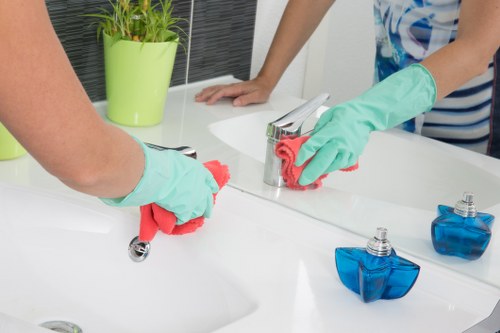
Alongside oven cleaning, we also offer a broader range of domestic cleaning services for homes that need help with different areas of the property. These can include general house cleaning, deep cleaning, one-off cleaning and end-of-tenancy cleaning, depending on the job and the level of detail required. The right choice depends on whether the priority is routine upkeep, a more intensive reset or a clean timed around a move.
Some households also need help with specific surfaces or furnishings. Useful related services may include carpet cleaning, rug cleaning, sofa cleaning, upholstery cleaning and window cleaning, each of which focuses on a different material or part of the home. If you are comparing services, it is worth matching the cleaning method to the item being cleaned rather than assuming one approach will suit every surface equally well.
For a clear quotation, simply get in touch with the appliance type and the service you need. If oven cleaning is the main priority, we will keep the discussion focused on that work and the condition of the appliance, so you can decide on the most suitable option without unnecessary complication.