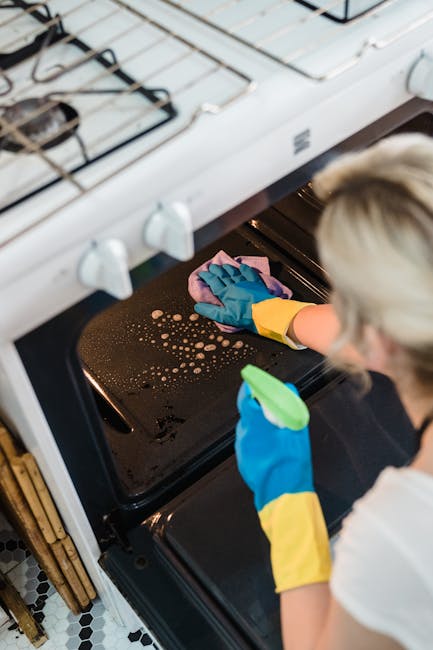
Turnham Green oven cleaning for vintage and gas ovens
If you own a vintage cooker or a traditional gas oven, cleaning it is rarely as simple as spraying, wiping, and hoping for the best. In Turnham Green, plenty of homes still have older ovens with character, quirks, and the occasional stubborn layer of baked-on grease. That's exactly why Turnham Green oven cleaning for vintage and gas ovens needs a careful, specialist approach. The goal is not just a sparkling finish. It's protecting enamel, seals, burners, ignition parts, and those little details that make an older appliance keep working properly.
In this guide, you'll get a clear look at how the process works, what makes vintage and gas ovens different, where the risks sit, and how to decide when a professional clean makes sense. You'll also find practical steps, a comparison table, and a straightforward checklist you can use before booking. Simple enough. But useful? Very.
For readers looking beyond oven care, it can also help to understand the wider standards behind a reliable oven cleaning service and the kind of care offered by a local cleaning company that treats each appliance with the right level of caution.
Table of Contents
- Why Turnham Green oven cleaning for vintage and gas ovens Matters
- How Turnham Green oven cleaning for vintage and gas ovens Works
- Key Benefits and Practical Advantages
- Who This Is For and When It Makes Sense
- Step-by-Step Guidance
- Expert Tips for Better Results
- Common Mistakes to Avoid
- Tools, Resources and Recommendations
- Law, Compliance, Standards, or Best Practice
- Options, Methods, or Comparison Table
- Case Study or Real-World Example
- Practical Checklist
- Conclusion
- Frequently Asked Questions
Why Turnham Green oven cleaning for vintage and gas ovens Matters
Older ovens are not just "old ovens". They're often a mix of heavy metal construction, enamel surfaces, older seals, analogue controls, pilot systems, and components that may already be a bit temperamental. A vintage cooker might still be brilliant for baking, roasting, and the sort of Sunday meal that fills the kitchen with that warm, familiar smell. But cleaning it the wrong way can shorten its life fast.
Gas ovens bring their own concerns. Grease build-up around burners, ignition areas, and vents can affect performance. You might notice uneven heat, a lingering smell, or a flame that doesn't look quite right. That does not always mean a fault, of course, but heavy residue can make small issues worse. And with older appliances, small issues have a habit of becoming larger ones at the worst possible time.
In a place like Turnham Green, where many homes balance period features with practical everyday living, the oven often needs to do a lot of work. Family cooking, batch baking, quick weekday meals, the lot. A well-cleaned oven is not a luxury; it's part of keeping the kitchen pleasant and safe to use.
Expert summary: Vintage and gas ovens should be cleaned with more care than modern fan ovens because the finish, fittings, and heat system can be more sensitive. The safest result usually comes from low-abrasion methods, patient detailing, and a proper understanding of what should never be soaked, scraped, or forced.
How Turnham Green oven cleaning for vintage and gas ovens Works
A proper clean starts with inspection. That sounds obvious, but it matters more than people think. Before anything else, a cleaner should identify the oven type, assess the condition of the enamel and seals, check for fragile knobs or loose trim, and look for signs of wear around gas fittings. If the oven is very old, the process may need adjusting on the spot. No two jobs are the same, which is both the annoyance and the charm of it.
For a gas oven, the cleaner will usually isolate the appliance as needed, remove detachable parts, and work methodically around burner covers, trays, racks, and internal panels. Vintage models often require even gentler handling, especially where finishes have dulled, cracked, or become brittle with age. Harsh chemicals and aggressive scrubbing pads are generally a bad idea. They can etch enamel, damage lettering, and leave a residue you really do not want coming back at cooking temperature.
Inside and out, the work tends to follow a measured sequence: loosen grime, lift grease, clean removable parts separately, detail corners and seals, then reassemble carefully. A good finish is often more about patience than force. If someone starts attacking an old oven like they're sanding a garden fence, that's your cue to stop them.
For households that want the same careful approach across the whole home, it can be useful to compare a one-off appliance clean with deep cleaning or even broader domestic cleaning support. The same mindset applies: method over speed.
Key Benefits and Practical Advantages
There are the obvious benefits: a cleaner oven, less grease, and a kitchen that smells like food rather than last month's roast dinner. But with vintage and gas ovens, the real advantages go a bit deeper.
- Better performance: Reduced build-up can help heat circulate more evenly, especially in older gas ovens.
- Longer appliance life: Careful cleaning helps preserve seals, enamel, controls, and internal fittings.
- Safer cooking environment: Less grease means less smoke, fewer lingering odours, and a cleaner working space.
- More accurate inspection: A clean oven makes it easier to spot wear, leaks, damaged seals, or loose parts.
- Better kitchen hygiene: Burnt residue can attract mess, transfer flavour, and make the oven unpleasant to use.
There's also the emotional bit, if that's not too grand a word. A vintage oven often carries memories. Maybe it came with the house. Maybe it belonged to a parent or grandparent. Maybe it just suits the kitchen and you're not ready to replace it. In that case, cleaning is not cosmetic. It's preservation. A small act, but a meaningful one.
If the rest of the home needs attention too, pairing oven care with one-off cleaning can be a practical way to refresh the property without committing to a longer service plan.
Who This Is For and When It Makes Sense
This service is a strong fit for a few different situations. You might recognise yourself in one of these:
- You own a vintage oven and want to keep it working without damaging the finish.
- You have a gas oven that's showing signs of grime build-up around burners or trays.
- You've recently moved into a Turnham Green property and inherited an older appliance.
- You're preparing a kitchen for sale, let, or a family gathering and want it looking cared for.
- You've tried home cleaning products and the job still looks half-done, which, let's face it, is frustrating.
Sometimes the right moment to book is after a heavy period of use. Christmas, birthdays, a long spell of cooking at home, or a stretch where the oven has been on most days. Other times it's when you notice practical signs: smoke at cooking temperature, stubborn dark patches, a sticky door seal, or knobs that feel grimy no matter what you do.
For landlords and move-out situations, it can be sensible to combine appliance care with end of tenancy cleaning. That way, the oven isn't just "clean enough"; it is cleaned with the same level of attention as the rest of the property.
Step-by-Step Guidance
Here's the basic process, simplified. A professional version may go further, but the core logic is the same.
- Assess the oven type. Identify whether it's vintage, gas, or a hybrid design, and note any delicate finishes or loose parts.
- Check safety first. Make sure the appliance is cool, isolated where needed, and safe to work on. No rushing. That's how mistakes happen.
- Remove detachable components. Racks, trays, shelves, burner covers, and some panels may be taken out for separate cleaning.
- Apply suitable cleaning methods. Use products and techniques that break down grease without stripping enamel or harming seals.
- Detail the awkward spots. Corners, vents, door edges, and control areas often need hand work rather than brute force.
- Clean and dry parts thoroughly. Moisture left behind on gas components is not something to shrug off.
- Reassemble carefully. Everything should go back exactly where it belongs, with nothing forced into place.
- Test and inspect. Once the oven is ready, check for even operation, clean appearance, and any obvious issues that need attention.
A small tip here: if a cleaner skips the inspection and jumps straight into scrubbing, that is not efficiency. That is guesswork in gloves.
Expert Tips for Better Results
Good oven cleaning is as much about restraint as effort. Here are the habits that tend to make the biggest difference in older appliances.
- Use gentle products first. Start mild and only move stronger if needed. Vintage finishes often do not like harsh treatment.
- Let products dwell, don't grind. Time usually works better than force.
- Protect markings and dials. Printed labels, painted indicators, and trim can wear off surprisingly easily.
- Keep gas areas dry. Water has a habit of lingering in places you can't easily see.
- Test on a small hidden area if unsure. Especially with older enamel or unusual finishes.
- Clean little and often. A light regular clean is far easier than a once-a-year rescue mission.
If you're also dealing with other parts of the home, such as dusty skirting, grimy floors, or post-renovation residue, services like after builders cleaning can be helpful when the whole property needs resetting rather than just one appliance.
And honestly, some ovens just have personalities. One minute they look manageable, the next you find a patch of grease from somewhere near 2017. Happens to the best of us.
Common Mistakes to Avoid
Most oven damage during cleaning comes from trying to hurry. That is the short version. The longer version is a bit more annoying, because the mistakes are usually avoidable.
- Using abrasive pads on enamel. They can scratch the surface and make future cleaning harder.
- Soaking gas components. Some parts need moisture control, not a bath.
- Spraying too close to ignition elements. Cleaning products should be applied carefully, not blasted everywhere.
- Forgetting to check seals. A damaged seal can affect cooking results and trap grime.
- Ignoring fragile vintage fittings. Old knobs, latches, and trim can crack if handled roughly.
- Mixing too many products. Not helpful. Not clever. Sometimes just messy and smelly.
Another common one: assuming that because an oven is "working fine", it can't benefit from a proper clean. It can. In fact, older gas ovens often benefit most when problems are addressed before they become visible.
Tools, Resources and Recommendations
The right tools make the job safer and far more effective. For vintage and gas ovens, the best kit is usually fairly modest, but chosen carefully.
| Item | Why it helps | Best use |
|---|---|---|
| Soft microfibre cloths | Lift grease without scratching | Panels, doors, outer casing |
| Non-abrasive sponges | Good for residue without harming enamel | Interior surfaces and trays |
| Detail brushes | Reach corners and fittings | Burner surrounds, vents, trims |
| Gentle degreaser | Breaks down baked-on grime | General oven cleaning |
| Dry cloth or towel | Removes moisture after cleaning | Gas areas and delicate parts |
Recommendations are simple: choose products that suit the appliance, not the other way round. If the label suggests it's ideal for every surface under the sun, treat that with caution. Older ovens appreciate common sense more than marketing.
For households comparing service quality or trying to understand what level of support they need, browsing a company's information pages such as about us and pricing and quotes can help set expectations before anyone steps through the door.
Law, Compliance, Standards, or Best Practice
Oven cleaning itself is not usually a heavily regulated activity for the average home, but safety and good practice still matter. In the UK, anyone working on gas appliances should be cautious about what they touch, what they disturb, and whether a problem looks cosmetic or mechanical. If there's any sign of a gas leak, strong unusual smell, or a flame issue that looks abnormal, the sensible step is to stop and get the appliance checked by a qualified gas engineer. Cleaning is not diagnosis.
For service providers, sensible best practice usually includes proper insurance, safe handling of chemicals, clear communication with the customer, and respect for property contents. If a company works in your home, it should be able to explain how it manages safety, liability, and secure payments in plain English. That includes practical pages such as insurance and safety, health and safety policy, and payment and security.
There's also a sustainability angle worth mentioning. Old grease, used cloths, packaging, and discarded residues should be handled carefully. A provider with a sensible recycling and sustainability approach is usually thinking beyond the immediate clean, which is a good sign. It's one of those small things that tells you how seriously a business takes the job.
Options, Methods, or Comparison Table
Not every oven needs the same cleaning method. The right choice depends on age, build, condition, and how delicate the components are.
| Method | Best for | Pros | Cautions |
|---|---|---|---|
| Light manual clean | Regular upkeep | Gentle, quick, low risk | Not enough for heavy build-up |
| Targeted deep clean | Vintage or gas ovens with grease in key areas | Thorough, controlled, detailed | Needs care around seals and fittings |
| Heavy chemical clean | Very stubborn residue on robust modern ovens | Fast on baked-on grime | Higher risk for older enamel and trim |
| Full appliance refresh | Homes wanting broader kitchen improvement | More complete, visually satisfying | Takes longer and may cost more |
For most vintage and gas ovens, the middle ground wins. Strong enough to be effective, gentle enough not to cause damage. That balance is the whole game really.
Case Study or Real-World Example
A typical Turnham Green job might involve a well-used gas oven in a family kitchen. The owner notices the door glass is clouding up, there's a smell when the oven heats, and the shelves are sticky after every roast. Nothing dramatic. Just enough to be annoying. Very normal, actually.
On inspection, the cleaner finds built-up grease around the rack supports, residue near the bottom of the cavity, and a door seal that's intact but tired. Because the oven is older, the approach is careful: removable parts are cleaned separately, the interior is treated with a mild but effective solution, and the finishes are wiped rather than scrubbed. Burner surrounds are kept dry and checked, not flooded. The result is not just a shinier oven. The heat seems more even, the smell disappears, and the owner can see the food cooking again through the glass. Small win, but a real one.
This is the kind of outcome that shows why specialist cleaning matters. It is not only about presentation. It's about making an older appliance easier to live with, and easier to trust.
Practical Checklist
Before you book or begin, run through this list. It saves hassle later.
- Confirm whether the oven is vintage, gas, or a mixed model.
- Check for visible damage, loose parts, or worn seals.
- Decide whether the clean is light maintenance or a deeper restoration-style clean.
- Make sure the area around the oven is clear and safe to access.
- Ask how the cleaner handles delicate enamel, knobs, and burner areas.
- Confirm that gas-related concerns will be treated cautiously.
- Check the company's terms, safety information, and payment details.
- Ask what aftercare is recommended once the clean is complete.
- Plan for regular maintenance so grime does not build up again.
If you're looking for a broader home refresh at the same time, it can also make sense to line up home cleaners or a wider house cleaning service so the oven doesn't become the only spotless thing in the room. That mismatch is oddly satisfying, but maybe not the point.
Conclusion
Turnham Green oven cleaning for vintage and gas ovens is really about respect: respect for older materials, respect for safety, and respect for the way a good appliance still earns its place in a busy kitchen. If the oven is part of a period home, a family routine, or just a well-loved everyday setup, cleaning it properly can make a bigger difference than people expect.
The safest approach is usually the calm one. Inspect first, clean gently, protect the finishes, and never rush the gas-related parts. Do that, and you'll usually get a better-looking oven, a fresher kitchen, and a lot less frustration the next time you cook. Simple, practical, and worth doing properly.
Get a free quote today and see how much you can save.
If you want to learn more about the team behind the service, you can also visit the about us page or get in touch through the contact us page when you're ready. Sometimes that first step is the hardest one. After that, it's just a cleaner oven and a calmer kitchen.
Frequently Asked Questions
Can vintage ovens be cleaned safely?
Yes, but they need a gentler approach than modern ovens. Vintage enamel, old knobs, and aged seals can be more fragile, so the cleaning method should be chosen carefully.
Is gas oven cleaning different from electric oven cleaning?
It is. Gas ovens often need extra caution around burners, ignition areas, and ventilation points. The cleaning should avoid soaking sensitive parts or disturbing anything that affects safe operation.
How often should an older oven be professionally cleaned?
That depends on how often it's used. For many households, a professional clean once or twice a year is enough, with lighter maintenance in between. Heavy cooking use may need more frequent attention.
Will cleaning improve how my gas oven cooks?
It can. Removing grease and build-up may help heat circulate more evenly and reduce smoke or odours. It won't fix a mechanical fault, but it can improve day-to-day performance.
Can harsh oven cleaners damage vintage enamel?
Yes, they can. Strong chemicals and abrasive pads may dull, scratch, or stain older surfaces. That's why a controlled, low-abrasion method is usually safer.
What are the signs my oven needs cleaning soon?
Common signs include smoke when heating, sticky racks, dark residue on the door, unpleasant smells, and visible grease around the interior edges or burner areas.
Should I clean the burners myself?
Only if you are sure the parts are designed to be removed and cleaned safely. If there is any uncertainty, especially with an older gas appliance, it's better to leave sensitive parts alone and use a professional.
How long does a specialist oven clean usually take?
It varies by condition and oven type. A lightly used oven may be fairly quick, while a vintage gas oven with heavy build-up can take much longer because the work has to be done carefully.
Is there a difference between a deep clean and a standard oven clean?
Yes. A standard clean usually focuses on visible grease and general hygiene, while a deep clean is more detailed and typically includes removable parts, edges, and stubborn residue.
What should I do before the cleaner arrives?
Clear the area around the oven, remove nearby items, and mention any issues you already know about, such as loose knobs, worn seals, or unusual smells. A little preparation helps a lot.
Can I combine oven cleaning with other home cleaning services?
Yes. Many people combine it with broader services such as deep cleaning, window cleaning, or carpet cleaning when they want the home refreshed in one go.
What if my oven has a gas smell after cleaning?
Stop using it and get it checked by a qualified gas professional. Cleaning should never mask or worsen a gas-related issue. Safety first, always.